
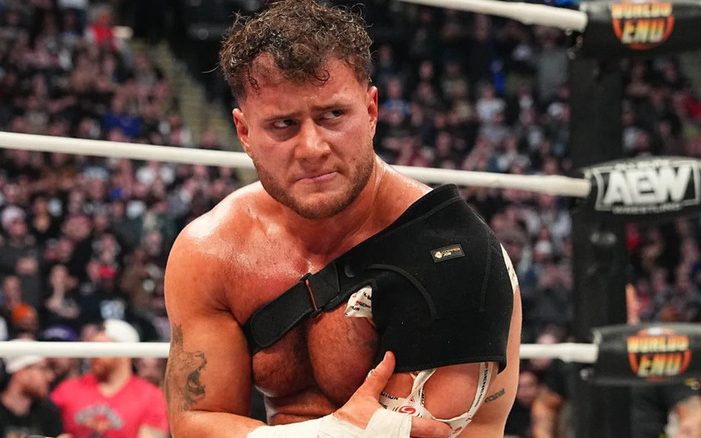
I’ve gotten the question more than once, usually right after a patient asks why I was out of office on a Wednesday: “Wait — you work in professional wrestling? Like, actually?”
Yes, actually. And I want to explain why — not defensively, but because I think it’s genuinely relevant to your care. “Being a sports medicine physician, I want to be on the sidelines or in this case ringside and I see more musculoskeletal injuries in a single AEW event than most sports medicine physicians treat in a full week.”
The volume is unlike anything else
Professional wrestling is one of the most physically demanding performance sports on earth. Wrestlers take impacts, absorb falls, twist joints, and push their bodies through grueling travel schedules — night after night. Behind the curtain, real injuries happen constantly: cervical strains, shoulder instability, knee ligament damage, concussion management, soft tissue injuries. My job is to be there when they do.
The volume and variety of cases I encounter at ringside sharpens my clinical instincts in a way that’s hard to replicate in a scheduled office setting. When you come to me with a rotator cuff issue or a sprained ankle, I’ve almost certainly seen a version of it in the last week.
Elite athletes push the boundary of what’s treatable
The talent at AEW need to stay in the “game” and subsequently return to competition quickly, performing at full capacity. That pressure forces me to stay current on the latest in rehabilitation protocols, regenerative techniques, and return-to-sport criteria. The research I apply at ringside on Wednesday or Saturday/Sunday often directly benefits my private practice patients when I’m in the office. You deserve a doctor who is constantly learning from high-stakes environments — not just continuing education credits. “Working with elite athletes in a unique sport makes me a better advocate for every patient who just wants to get back to doing what they love.”
It doesn’t take time away from you — it gives back to you
I understand if your first instinct is to wonder: is he distracted? Is he spreading himself too thin? That’s a fair thing to ask of any physician. The honest answer is that the two roles don’t compete — they compound. The focus and urgency I practice at ringside makes me a more decisive clinician at the office. And the thoughtful, longitudinal care I provide in private practice makes me a better medical advocate for athletes who often don’t have a personal physician looking out for their long-term health.
My private practice patients are my priority. That hasn’t changed. What has changed is the depth of experience I bring to every appointment.
One more thing
This work matters to me because athletes — whether they’re competing in front of 10,000 fans or coaching a youth soccer team — deserve a doctor who genuinely respects how much movement and physical performance means to their identity. That’s why I went into sports medicine. It’s why I take both jobs seriously.
If you’ve ever been curious about what it’s actually like, feel free to ask at your next appointment. I’m always happy to talk about it or even show you a clip of me ringside.
If you’re ready to schedule give us or call or send us a message and if you’re interested in AEW check us out on HBO Max, TBS Wednesday’s at 8pm or TNT Saturday at 8pm and you can always check out content @myaew.com!